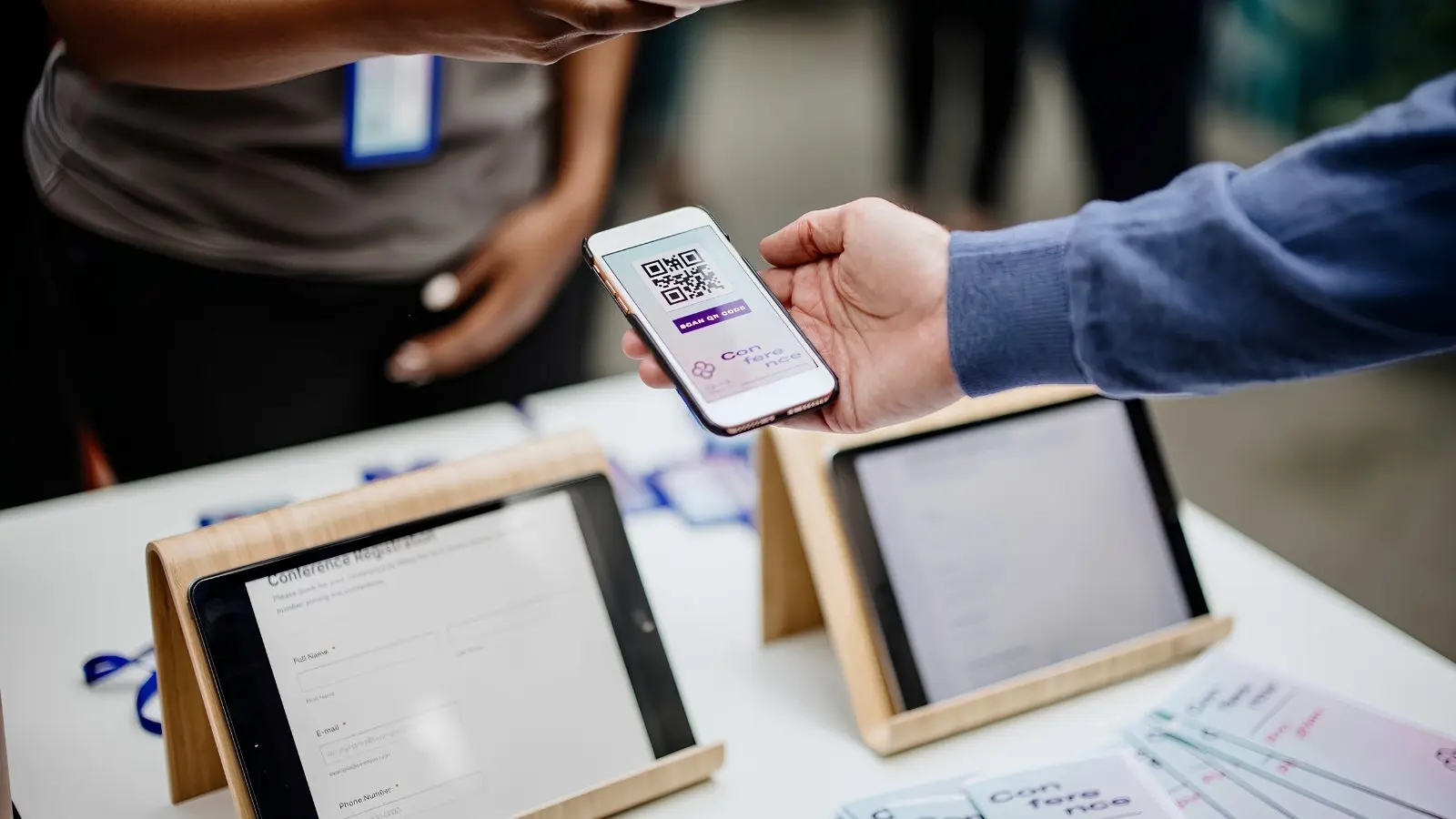
Public meetings exist to give community members a voice in decisions that affect them. When the process for participating is unclear or disorganized, the meeting itself suffers: speakers wait too long, comment periods run over time, quiet voices get crowded out, and clerks spend the meeting managing logistics instead of taking minutes.
A structured sign up process solves most of these problems before the meeting starts. When participants register in advance, the chair knows exactly how many speakers to expect, can allocate time accordingly, and can move through the agenda without interruption. Speakers know when they're expected to speak and can arrive prepared rather than waiting indefinitely for their name to be called.
There's also a documentation benefit. A signed-up list of speakers becomes part of the public record. It captures who wanted to comment, whether they were present, and in what order they were heard, all of which matters for transparency and compliance.
For communities managing multiple recurring meetings, a consistent sign up process builds public trust. Residents who participate once and find the process clear and fair are far more likely to come back.
Types of Public Meetings That Use Sign Ups
Most government bodies and civic organizations that hold public meetings can benefit from a structured sign up process. The format varies somewhat by meeting type, but the underlying coordination need is the same.
“Our whole church uses SignUpGenius for various activities, (meals for the sick, committee sign ups, etc.) and I've used it for many other groups of which I'm a member. Thank you so much for this wonderful site!”
Whether you're running a city council meeting, a planning commission hearing, or a community forum, a clear sign-up process keeps public comment periods organized and every participant on time.
City council and county commission meetings typically include a public comment period at the start or end of the agenda. Residents sign up to speak on general topics or specific agenda items. Slot limits based on speaker time (usually two to three minutes per speaker) help manage overall meeting length.
Planning commission and zoning hearings often draw more speakers than regular council meetings because they involve specific development proposals that affect nearby residents. These hearings benefit especially from advance sign ups that give the commission a sense of how much public comment to expect and help ensure all perspectives get heard within the allotted time.
Budget hearings and special sessions on specific policy topics frequently attract organized advocacy groups along with individual residents. A sign up process that captures both the speaker's name and their area of comment helps the clerk manage the record and the chair manage the discussion.
School board meetings follow a similar pattern to city councils. Public comment periods can run long, and advance sign ups give the board chair the information needed to keep the meeting on schedule while still honoring each speaker's time.
Community forums and town halls hosted by elected officials or civic organizations are often less formal but still benefit from a sign up for Q&A periods or structured conversation. These events frequently have a broader audience and a shorter speaker window, making slot limits especially useful.
Sign Ups That Work Before the Meeting Starts
Share your public meeting sign up link in advance through your government website, email list, or meeting notice. Participants arrive knowing their slot, and your clerk arrives knowing the agenda.
The structure of your sign up should reflect how your meeting actually runs. A few decisions upfront make the coordination significantly easier on the day of the meeting.
Decide whether to use timed slots or a simple queue. For meetings with strict speaker time limits, timed slots (e.g., 6:30 p.m., 6:33 p.m., 6:36 p.m.) give each speaker a concrete expectation and help the meeting stay on schedule. For less formal forums or town halls, a numbered queue without specific times works well and is easier for participants to navigate.
Set a slot limit that reflects your meeting's capacity. If your public comment period is 30 minutes and each speaker gets three minutes, that's ten speakers. Setting the slot limit to ten prevents over-enrollment and lets you open a waitlist if demand exceeds capacity.
Include a field for the speaker's topic or agenda item. Many public comment sign ups benefit from knowing in advance what each speaker plans to address. This helps the chair group related comments together and helps the clerk keep accurate minutes. It also signals to participants that their comment is expected to be relevant to the meeting's business.
Publish the sign up link before the meeting. Most government bodies post their meeting notices at least 72 hours in advance. Including the sign up link in that notice and on the government website gives residents time to register before arriving at the meeting.
Keep a paper backup. Even with an online sign up, some participants will arrive unregistered. Having a short paper sign-in sheet at the door for walk-in speakers, combined with your online list, ensures no one is turned away unexpectedly. Manage the combined list in the order received.
Genius Tip
For recurring meetings like monthly council sessions, duplicate your sign up template each cycle rather than building from scratch. The structure stays consistent and all you need to update is the date and any agenda-specific slot names.
Managing Public Comment Periods
The sign up handles the logistics before the meeting. Running the comment period well during the meeting requires a few additional practices.
Call speakers in sign up order. This is the most straightforward approach and the one participants expect. Deviating from the list, even for good reasons, creates confusion and can raise concerns about fairness. If you need to group speakers by topic, communicate that structure in advance so everyone understands how the order will work.
Use a visible timer. Whether it's a physical countdown timer at the podium, a projected timer on screen, or a timing system built into your meeting platform, speakers should be able to see their remaining time. This reduces interruptions from the chair and helps speakers manage their own comments without going over.
Have a designated speaker check-in process. Ask registered speakers to check in with the clerk when they arrive, before the meeting begins. This confirms who is present and lets you adjust the list if registered speakers don't show. It also prevents the awkward pause when the chair calls a name and no one responds.
Handle walk-ins gracefully. If your comment period fills and walk-in speakers arrive, acknowledge them, explain the process, and offer to add them to a waitlist for remaining time at the end of the period. Most participants appreciate transparency about the process even when they don't get to speak.
Meeting Type
Recommended Sign Up Format
Slot Structure
City Council / County Commission
Advance online sign-up with optional topic field
Timed slots or numbered queue, limit based on comment period length
Planning Commission / Zoning Hearing
Advance sign up grouped by agenda item
Slot limit per agenda item, waitlist enabled
School Board Meeting
Advance sign up, paper backup at door
Numbered queue, slot limit matches time available
Town Hall / Community Forum
Day-of or advance sign-up for Q&A period
Numbered queue, open-ended or timed based on format
Budget Hearing
Advance sign up with comment topic field
Timed slots, grouped by topic area where possible
Remote and Hybrid Meeting Considerations
Many government bodies now hold meetings in hybrid formats, with some participants attending in person and others joining remotely. Public comment sign ups for hybrid meetings require a few additional considerations.
Running a Hybrid or Virtual Public Meeting?
SignUpGenius integrates directly with Zoom, so you can attach a meeting link to any sign up slot. Registered speakers receive the link automatically in their confirmation and reminder emails — no extra step required.
Capture attendance format in the sign up. Add a field for participants to indicate whether they plan to comment in person or remotely. This gives the meeting chair a clear picture of the order and format for each speaker before the meeting starts.
Build in extra buffer time for remote speakers. Technical delays, muted microphones, and connection issues add time to remote public comment that doesn't exist in person. Plan for at least 30 additional seconds per remote speaker and communicate this to participants in advance.
Send connection instructions with confirmation. When a participant registers to speak remotely, include the meeting link, dial-in number, and any technical requirements in the confirmation they receive. A reminder message before the meeting that repeats this information reduces last-minute technical problems.
Maintain a clear speaking order that mixes in-person and remote. One effective approach is to alternate between in-person and remote speakers in registration order rather than handling all in-person speakers first. This keeps remote participants engaged rather than waiting through a long in-person comment period before their turn comes.
Templates and Practical Tips for Recurring Meetings
For government bodies and civic organizations that hold regular meetings, building a repeatable sign up process saves significant time and creates a consistent experience for participants.
Start by building a template for your most common meeting format. Your standard city council meeting sign up, for example, should have the same slot structure, the same confirmation language, and the same reminder schedule every month. The only things that change are the date and any agenda-specific slot names.
Label your slots clearly. "Public Comment" is less useful than "Public Comment: General Business" or "Public Comment: Agenda Item 4 (Proposed Zoning Amendment)." Specific labels help participants self-select the right slot and help the clerk manage the record.
Archive your sign ups after each meeting. A historical record of who signed up to speak, on what topics, and at which meetings is valuable for transparency, appeals, and long-term documentation. Make sure your sign up process produces a record that can be exported and retained.
Returning participants are worth tracking. Residents who engage with public comment regularly are your most civically active community members. A sign up process that makes their participation easy and consistent builds the kind of civic relationship that strengthens community governance over time.
For a broader look at how civic volunteer and participation programs connect, see our guide tocivic volunteer coordination. And if your organization coordinates volunteers alongside public events, the resources on volunteer scheduling andvolunteer management apply directly here.
Make your next public meeting run on time.
Create a sign up for your public comment period in minutes. Share one link, set your slot limits, and show up knowing exactly who is registered to speak.
How do I create a sign up sheet for a public meeting?
The most straightforward approach is to create an online sign up with timed slots or a numbered queue matching the length of your public comment period. Set a slot limit based on how much time you have and include a field for speakers to note their topic. Share the sign-up link in your meeting notice and on your government website at least 72 hours before the meeting.
What information should I collect from public comment speakers?
At minimum, collect name and contact information. For many meeting types, adding a field for the speaker's topic or the agenda item they plan to address helps the chair manage the meeting and the clerk maintain an accurate record. Avoid collecting more information than necessary for meeting logistics.
How many speakers can a public comment period accommodate?
That depends on your time limit per speaker and the total length of your comment period. A 30-minute public comment period with two-minute speaking slots accommodates up to 15 speakers. Adding buffer time for transitions, a visible timer can help speakers manage their own time without requiring the chair to interrupt.
Can I use a sign up for remote or virtual public comment?
Yes. Add a field for participants to indicate whether they plan to attend in person or remotely, and include connection instructions in the confirmation message. Building in extra time for remote speakers reduces technical delays during the meeting.
Do I need a sign up for smaller community meetings?
It depends on expected attendance and the length of your comment period. For smaller forums with informal Q&A, a paper sign in sheet at the door is often sufficient. For meetings where public comment is time-limited or where many speakers are expected, an advance online sign-up gives you much better control over the meeting's flow.
How do I handle people who show up without signing up?
Have a paper sign-in sheet available at the meeting for walk-in participants. Add them to the speaking queue after registered speakers, or open a waitlist if your comment period fills. Communicating this process clearly in your meeting notice sets expectations before anyone arrives.
Civic Volunteer Coordination
A guide to organizing volunteers across civic and government programs, from election day staffing to parks programs and advisory boards.